Wondering whether Pearl City gives you the right mix of convenience, housing choice, and island access? If you want an Oahu home base that feels established and practical, Pearl City often lands on the shortlist for good reason. You deserve a clear picture of what daily life, commuting, and home options really look like here, and that is exactly what this guide will help you sort out. Let’s dive in.
Why Pearl City Stands Out
Pearl City is an established Central Oahu community with a long-built residential base and strong owner occupancy. According to Census QuickFacts, Pearl City had a 2020 population of 45,295, an owner-occupied housing rate of 71.5%, a median owner-occupied home value of $901,500, and a median household income of $118,112. That points to a neighborhood where many owners stay put, rather than a market defined mostly by short-term turnover.
If you are comparing Pearl City with newer areas, the difference is important. Honolulu’s Primary Urban Center plan describes Pearl City as part of the Aiea-Pearl City town-center corridor, with neighborhood-serving and regional commercial uses, apartment buildings, residential subdivisions, and civic facilities. In simple terms, you are looking at a mature suburb with layers of housing and services already in place.
Pearl City as a Central Oahu Base
One of Pearl City’s biggest advantages is location. If you need to move around Oahu for work, errands, or family obligations, Pearl City gives you a practical middle ground between urban Honolulu and West Oahu. That is a big reason many buyers see it as a useful base instead of just another suburb.
Census data shows a mean travel time to work of 26.6 minutes for the 2020 to 2024 period. That number will vary based on your job location and schedule, of course, but it supports the idea that Pearl City works well for people who want broad access across the island. For many buyers, the appeal is less about being close to one single destination and more about staying connected to several.
Commute Access Matters Here
Pearl City is not set up like a dense, walk-everywhere urban district. Honolulu’s planning documents say the Aiea-Pearl City area is largely automobile-oriented, with retail and services clustered in shopping centers and along highway frontages. If you prefer a more car-based routine with convenient access to major roads and shopping hubs, that can actually be a plus.
That same layout may be less ideal if your top priority is a pedestrian-first neighborhood with a traditional main street feel. Pearl City tends to fit buyers who value ease, reach, and efficiency in daily life. It is a strong option when convenience matters more than a fully walkable street grid.
Skyline Adds Flexibility
Rail access is now part of the Pearl City conversation. HART lists nearby operational Skyline stations at Waiawa / Pearl Highlands and Kalauao / Pearlridge. Travel times on the route map include about 25 minutes from Waiawa / Pearl Highlands to Civic Center and about 21 minutes from Kalauao / Pearlridge to Civic Center.
The same route map shows Makalapa at Joint Base Pearl Harbor-Hickam at 16 minutes and Lelepaua at Daniel K. Inouye International Airport at 13 minutes. For buyers who commute toward Pearl Harbor, Hickam, the airport, or downtown Honolulu, that kind of rail connection adds meaningful flexibility. Even if you still drive most days, having another transportation option can be valuable.
Access to Job Centers and Bases
Pearl City also sits near a broad employment landscape. Honolulu’s plan identifies military-use areas in the surrounding region including Pearl City Peninsula, Pearl Harbor Naval Base, Hickam Air Force Base, Camp Smith, Tripler Army Medical Center, and Fort Shafter. Nearby Pearlridge is also described as a regional town center with intensive retail, office uses, apartments, a medical complex, and community facilities.
That matters if your work is tied to defense, healthcare, retail, office employment, or airport-related activity. It also helps explain why Pearl City often appeals to military households and other buyers who need dependable regional access. You are not just choosing a neighborhood here. You are choosing a launch point for a wide part of Oahu.
What Homes You’ll Likely Find
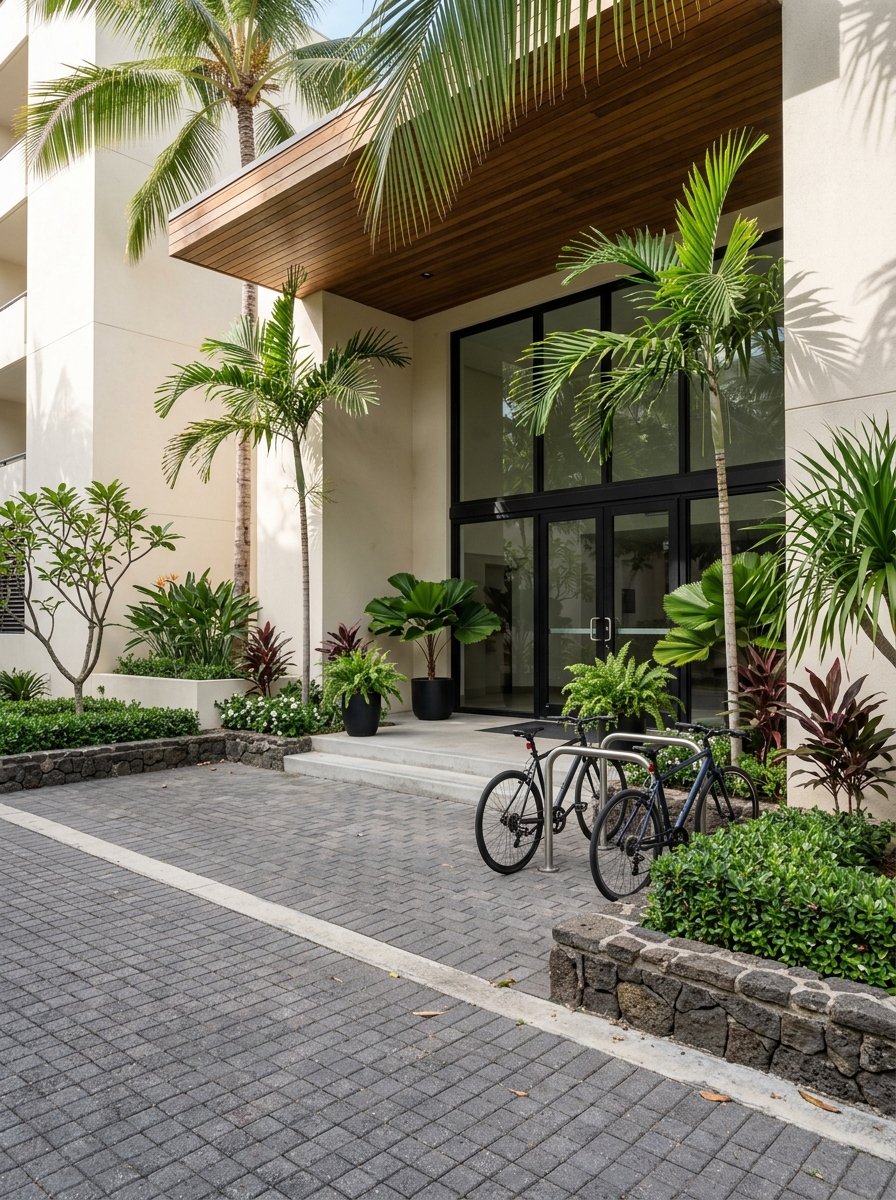
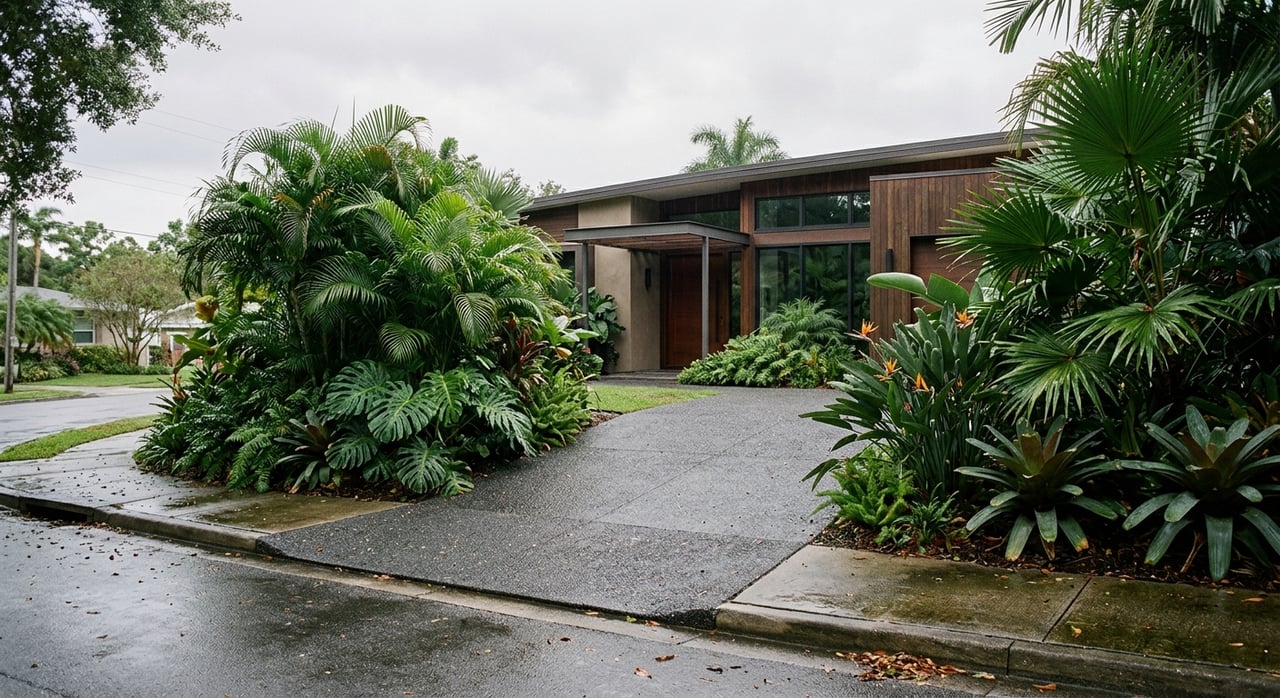
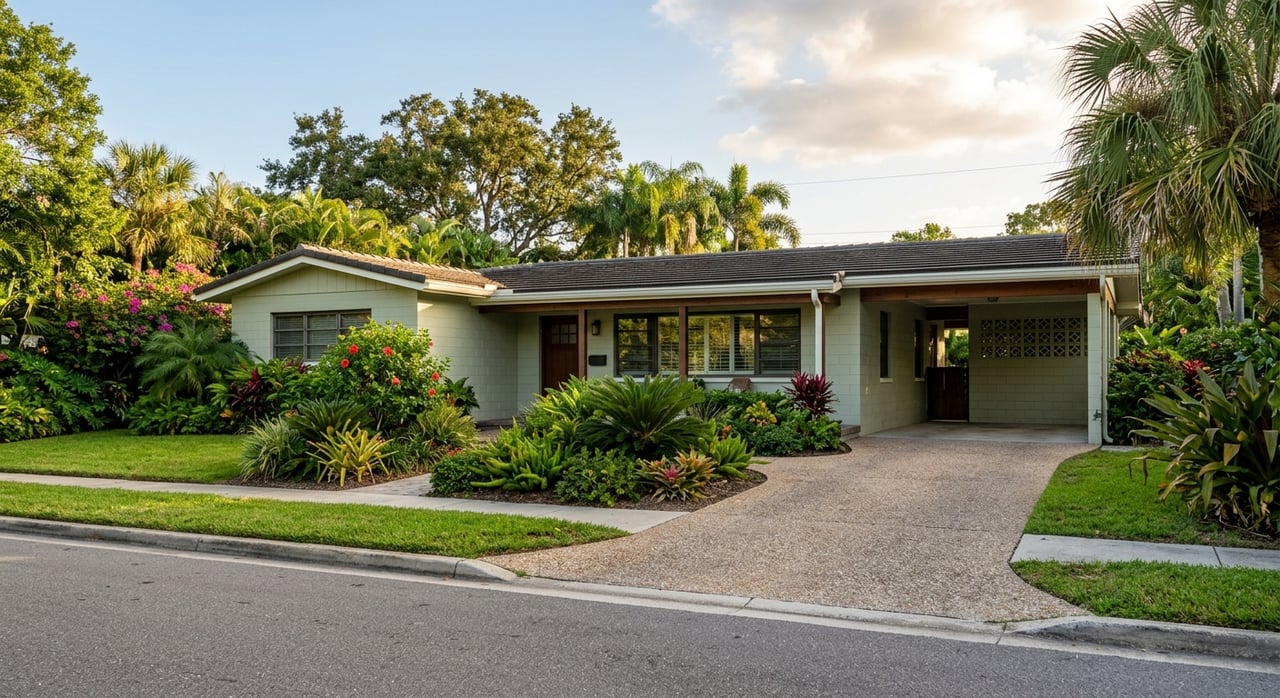
Pearl City’s housing stock leans heavily toward single-family living, but it is not limited to one format. Census QuickFacts and Hawaii DBEDT profile data support the picture of an owner-dominant market with detached homes as the main housing type. The DBEDT profile reported that 63.0% of the housing stock was 1-unit detached, 13.7% was 1-unit attached, and 8.0% was in buildings with 20 or more units.
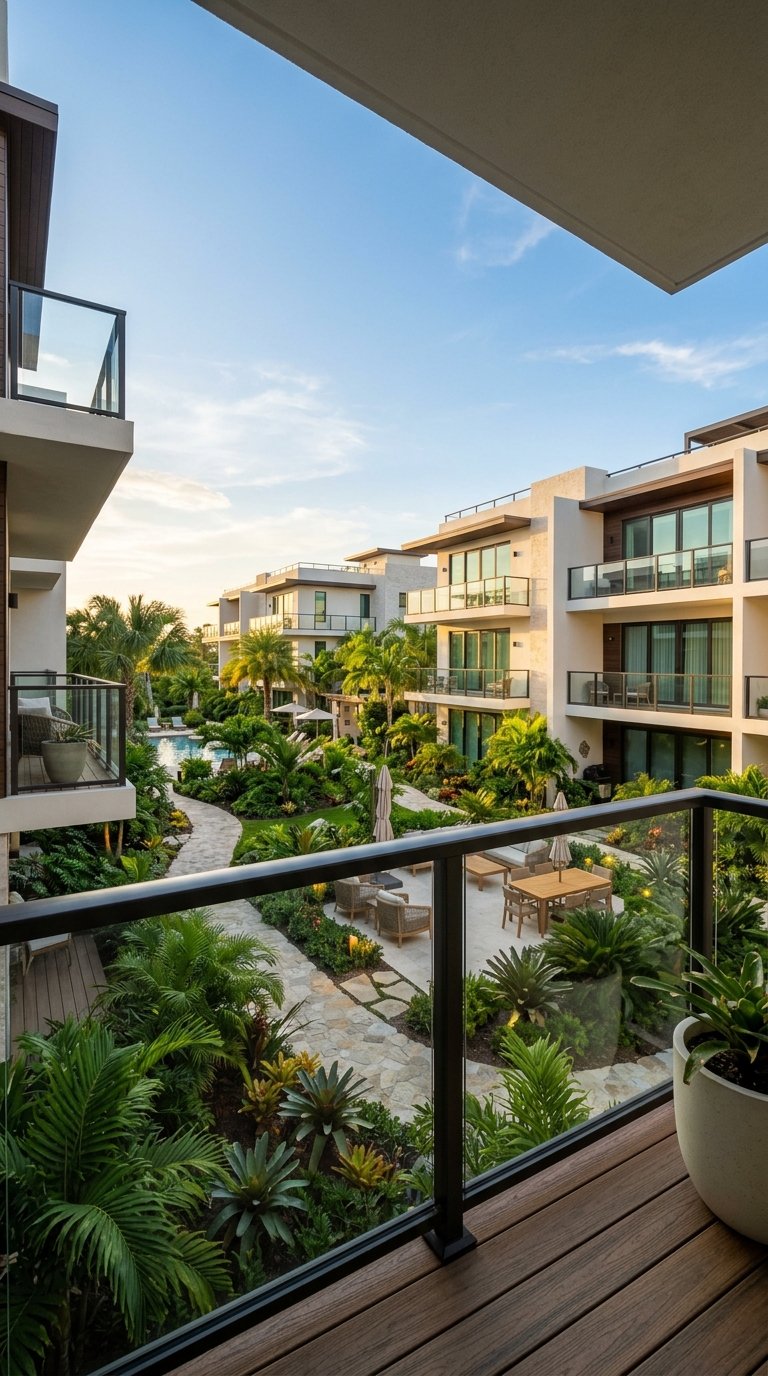
For you as a buyer, that means Pearl City can offer more than one path into the market. Depending on your goals and budget, you may find detached homes, attached homes, townhome-style options, and some condo-style living in the broader area. That variety can be helpful if you want to balance price point, maintenance level, and space needs.
Expect an Established Housing Base
A large share of Pearl City’s housing stock was built in the 1960s and 1970s, according to the DBEDT ACS profile. That gives the area a very different feel from newer master-planned communities. You are generally shopping in a built-out suburb with history, established streets, and a housing inventory shaped over decades.
That can be a good fit if you value mature neighborhoods and a sense of permanence. It also means buyers should look carefully at property condition, layout, and updates, since homes from earlier decades can vary widely. In Pearl City, the age of the housing stock is part of the character.
Daily Life and Convenience
A home base is about more than the house itself. It is also about how easy your everyday routine feels once you move in. On that front, Pearl City offers a solid network of civic, shopping, and service amenities.
The Pearl City Public Library is one example of that local infrastructure. The Hawaii State Public Library System describes it as one of the largest libraries on Oahu, and it is open Sundays. State environmental review information also notes that the library is centrally located within walking distance of schools, parks, shopping centers, and transit routes, which helps make it a true community anchor.
Shopping and Services Nearby
Retail access is one of Pearl City’s most practical strengths. Pearl Highlands Center positions itself as a major entertainment, dining, and shopping destination in Pearl City. Pearlridge Center also serves the broader area with shopping, dining, movies, events, and ample parking.
Honolulu’s planning documents identify Pearlridge as the regional town-center anchor for the larger Pearl Harbor and Aiea-Pearl City area. For you, that translates into everyday convenience. Running errands, meeting friends, or handling routine appointments often feels straightforward because so many services are clustered nearby.
Medical Access Supports Daily Living
Healthcare proximity can be an important part of choosing the right home base. Hawaii Pacific Health says its Pali Momi Women’s Center is located next to Pearlridge Center Uptown. Combined with the broader medical and commercial activity in the area, that nearby access adds to Pearl City’s practical appeal.
This kind of service clustering helps Pearl City feel self-contained. You may still travel around the island for work or lifestyle, but many daily needs can be handled close to home. That is often a big quality-of-life advantage.
Who Pearl City Fits Best
Pearl City tends to make the most sense for buyers who want an established suburban setting with strong access to major destinations. If your priorities include commuting options, nearby shopping, civic amenities, and a mature housing base, it checks many of the right boxes. It can be especially compelling if you expect to travel regularly toward Pearl Harbor, Hickam, the airport, or downtown Honolulu.
It may also suit buyers who want choices in housing format rather than one single product type. Because the area includes detached homes, attached homes, and some larger multifamily buildings, you may have flexibility in how you approach your purchase. That can matter whether you are looking for more space, lower maintenance, or a practical entry point.
Trade-Offs to Keep in Mind
No neighborhood is perfect for everyone, and Pearl City is no exception. The biggest trade-off is that it remains a car-oriented, older suburb rather than a brand-new, pedestrian-first community. If you are hoping for a fresh master-planned feel or an urban street life built around walking, you may want to compare Pearl City with other parts of Oahu.
Still, for many buyers, that trade-off is worth it. Pearl City’s value proposition is less about trendiness and more about function. You get practical connectivity, established surroundings, and an everyday infrastructure that supports real life.
Final Take on Pearl City
If you want a Central Oahu home base that combines established neighborhoods, broad island access, and strong everyday convenience, Pearl City deserves a serious look. It stands out most for buyers who value practicality, especially those with commutes tied to Pearl Harbor, Hickam, the airport, or downtown Honolulu. The housing stock is mature, the services are nearby, and the location works hard for people who need flexibility.
If you are weighing Pearl City against Mililani, Ewa Beach, Aiea, or other Oahu options, the right answer often comes down to your daily routine, budget, and preferred housing style. If you want experienced local guidance as you compare neighborhoods across the island, Don Dietz can help you sort through the options and schedule a free consultation.
FAQs
Is Pearl City a good location for commuting on Oahu?
- Yes. Pearl City offers practical access to major destinations, and nearby Skyline stations connect toward Joint Base Pearl Harbor-Hickam, the airport, and Civic Center.
What kind of homes are common in Pearl City?
- Pearl City is mostly made up of 1-unit detached homes, with attached homes and some condo or larger multifamily options also part of the housing mix.
Is Pearl City more urban or suburban?
- Pearl City is generally best described as an established, car-oriented suburb rather than a dense urban neighborhood.
Does Pearl City have convenient shopping and services?
- Yes. The area is supported by major shopping and service hubs including Pearl Highlands Center, Pearlridge Center, library facilities, and nearby medical services.
Is Pearl City a newer master-planned community?
- No. Much of Pearl City developed after the 1950s, and a large share of the housing stock dates to the 1960s and 1970s, giving it a mature, built-out character.
Who is Pearl City best for as a home base?
- Pearl City is often a strong fit for buyers who want established neighborhoods, everyday convenience, and direct access to major job centers and transportation routes across Oahu.