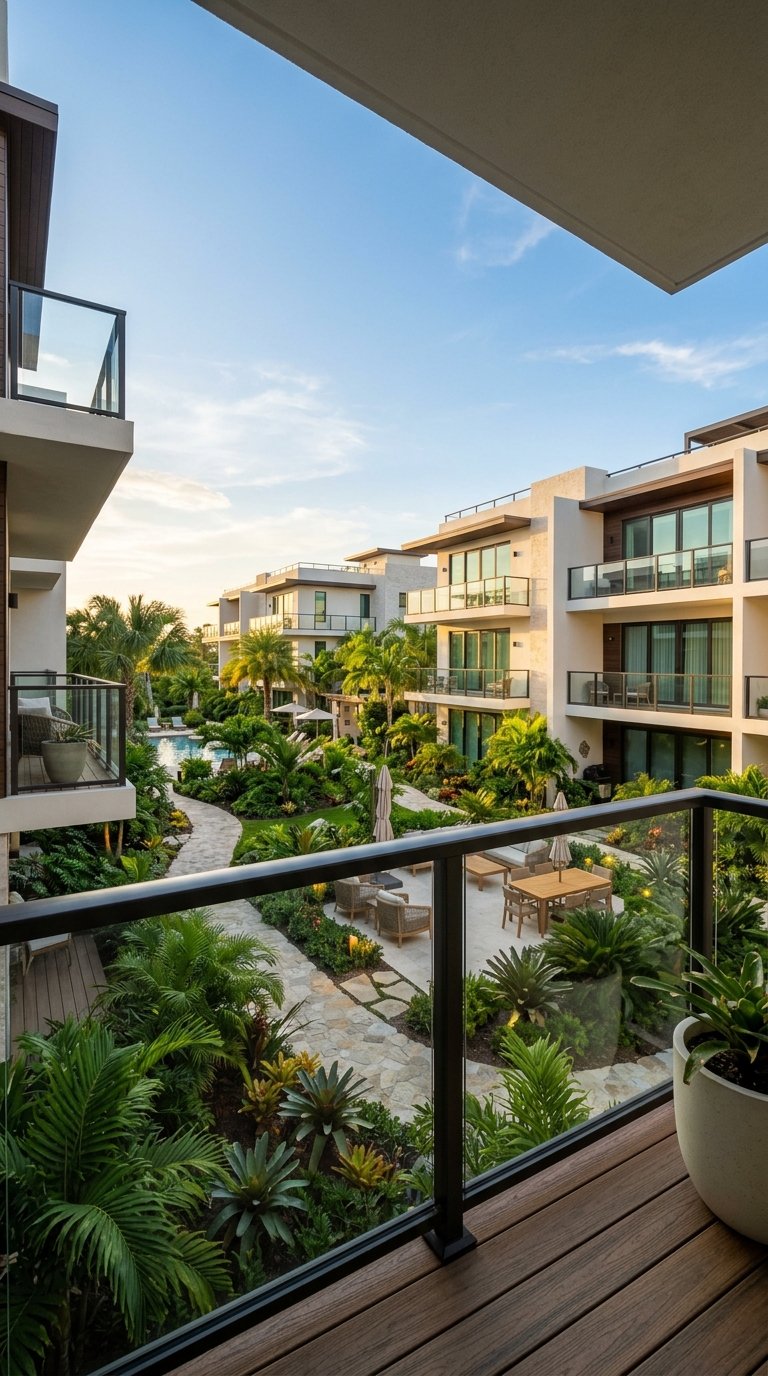
If you have been hearing Kapolei called Oahu’s “Second City,” you may be wondering what that really means for daily life and housing choices. For many buyers and sellers, Kapolei stands out because it blends newer development, major shopping, growing transit options, and a wide mix of homes in one part of West Oahu. This overview will help you understand how Kapolei has grown, what life looks like there, and why it continues to draw long-term residents. Let’s dive in.
Why Kapolei Matters
Kapolei is not just a nickname or a marketing phrase. The City and County of Honolulu’s Ewa Development Plan identifies the City of Kapolei as the urban core, or downtown, of the Secondary Urban Center.
That planning role helps explain why so much growth and infrastructure have been focused in and around the area. Census data show Kapolei CDP grew from 15,186 residents in 2010 to 21,411 in 2020, which is an increase of about 41%.
West Oahu Growth Around Kapolei
Kapolei is part of a much broader West Oahu growth pattern. Planning documents connect it with East Kapolei, Hoopili, Ko Olina, Makakilo, and the Villages of Kapolei as part of a larger regional buildout.
The City and County has also highlighted West Oahu as a rapidly growing area that needs stronger pedestrian, bicycle, and transit connections. That matters if you are thinking beyond one neighborhood and looking at how the whole region functions over time.
Transit and mobility plans
Kapolei’s long-term planning includes a rapid transit corridor linking the area with Waipahu and the Primary Urban Center. The Ewa Development Plan also points to a station and park-and-ride node near Kapolei Commons.
The wider transit network includes East Kapolei, UH West Oahu, and the Skyline Phase 1 bus-rail network. The City is also planning a Kapolei maintenance facility and transit center as a mobility hub, which adds to the area’s role as a regional connector.
What Daily Life Looks Like
One reason Kapolei appeals to many households is convenience. You can find major retail, everyday services, recreation, and a university campus within the broader area, which can make day-to-day routines more manageable.
For buyers, that often translates into a lifestyle where errands, dining, entertainment, and outdoor time are easier to fit into your schedule. For sellers, these amenities help explain why Kapolei remains a closely watched part of the Oahu housing market.
Shopping and services
Ka Makana Alii is West Oahu’s major regional mall and includes more than 100 stores and restaurants, a theater, and on-site lodging. Its Grove expansion added practical daily-use businesses such as Foodland Farms, Straub Clinic and Urgent Care, and PetSmart.
Kapolei Commons adds another major retail hub at roughly 500,000 square feet. It includes a mix of national retailers, entertainment, dining, and services, while Kapolei Marketplace provides another neighborhood-scale option with more than 36 merchants and 14 restaurants.
If you spend time closer to Ko Olina, Ko Olina Center & Station adds a smaller resort-adjacent retail area with 11 specialty shops and 7 dining options. Together, these centers give Kapolei a strong range of everyday conveniences.
Education and recreation
UH West Oahu opened its permanent Kapolei campus in 2012. The university describes itself as a four-year, Indigenous-serving institution offering 25 degrees and certificates.
Kapolei also benefits from planned park space. The Ewa Development Plan calls for Kapolei Regional Park to be a 73-acre park with Puu O Kapolei, intended to serve both the City Center and the Villages of Kapolei within walking distance.
Beaches and shoreline access
Living in Kapolei also puts you within reach of shoreline recreation. Nearby Ko Olina includes four lagoons and sandy beaches where pedestrian traffic is permitted and public parking is available.
White Plains Beach in Kalaeloa is another public shoreline option nearby and has become a popular recreation area. Paradise Cove Beach is also listed by the Hawaii Department of Land and Natural Resources as a Kapolei beach area with public access through Ko Olina.
Kapolei Housing Overview
Kapolei’s housing profile reflects a community with a strong owner-occupied base. According to Census data, the owner-occupied housing unit rate is 76.5%.
The same data show a median value of owner-occupied homes of $744,200. Median gross rent is $2,311, median monthly owner costs with a mortgage are $3,002, and average household size is 3.2 people.
Housing types in Kapolei
Kapolei is often associated with newer master-planned communities, but the housing mix is broader than many people expect. Planning documents describe Kapolei and the surrounding West Oahu corridor as offering a wide variety of housing.
A state bill describing the Villages of Kapolei noted a mix that included affordable and market-priced single-family homes, condominiums, and rental apartments. That variety still helps shape how buyers look at the area today.
Ongoing development nearby
Current Department of Hawaiian Home Lands projects reinforce the idea of a mixed housing inventory in and around Kapolei. In Kapolei, Kaupea is next to Kapolei High School, while Kauluokahai in East Kapolei is a mixed-use subdivision with 420 lots in phase 1 and 250 in phase 2.
East Kapolei II-A is planned as a higher-density multifamily project near rail access. In the broader West Oahu market, Kalaeloa development activity also shows that attached housing such as townhouses remains part of the local housing mix.
Who Kapolei Often Fits Best
Kapolei can work for a range of buyers and households, but a few patterns stand out in the data and planning context. If you are trying to decide whether the area matches your lifestyle, these are useful starting points.
Commuters
Kapolei may appeal to commuters who want access to a growing transit network in West Oahu. The Census reports a mean commute time of 31.2 minutes for Kapolei workers, and the bus-rail network adds another layer of mobility for some households.
Households planning to stay
The high owner-occupied rate and average household size suggest Kapolei is a place where many residents put down long-term roots. Buyers looking for a more established residential feel within a newer development pattern may find that appealing.
Military-connected households
Kapolei can also be practical for military-connected households because of nearby Kalaeloa and Barbers Point defense-related uses. The adjacent area includes Coast Guard, Army National Guard, and other government-related activity, along with former Navy housing areas and public shoreline access at White Plains Beach.
What Buyers Should Keep in Mind
If you are shopping in Kapolei, it helps to think about more than the home itself. You should also weigh commute patterns, access to shopping and services, proximity to transit, and the kind of housing style you want.
Kapolei offers a mix of single-family homes, condos, townhome-style options, and rental product in the broader area. That variety can create more pathways into the market, depending on your budget and goals.
What Sellers Should Keep in Mind
If you are selling in Kapolei, your home is part of a market that many buyers view through a lifestyle lens. They are often comparing convenience, newer community design, retail access, recreation, and transportation options alongside price and property condition.
That means strong preparation and clear marketing matter. Buyers want to understand not only the home, but also how it fits into the larger Kapolei and West Oahu story.
Why Kapolei Keeps Drawing Attention
Kapolei continues to stand out because it was planned to be a major urban center for West Oahu, and the area keeps adding the ingredients that support that vision. Population growth, shopping hubs, transit investment, public recreation, and a broad housing mix all play a role.
If you are buying, selling, relocating, or planning your next move on Oahu, Kapolei is worth a closer look. For local guidance grounded in decades of island experience, schedule a free consultation with Don Dietz.
FAQs
What does “Second City” mean for Kapolei?
- In Honolulu planning documents, Kapolei is identified as the urban core of the Secondary Urban Center, meaning it plays a major role in West Oahu growth, services, and infrastructure.
What is daily life like in Kapolei for Oahu residents?
- Kapolei offers access to major shopping centers, restaurants, entertainment, healthcare services, a university campus, planned park space, and nearby beach areas.
What kinds of homes are available in Kapolei?
- The area includes a mix of single-family homes, condominiums, rental apartments, and attached housing in Kapolei and the surrounding West Oahu corridor.
Is Kapolei a good fit for commuters on Oahu?
- Kapolei may suit commuters who want access to West Oahu transit connections, including East Kapolei, UH West Oahu, and the wider Skyline Phase 1 bus-rail network.
Why do buyers and sellers watch the Kapolei housing market closely?
- Buyers and sellers often focus on Kapolei because of its strong population growth, owner-occupied housing base, expanding amenities, and long-term role in Oahu’s development plans.