Craving more open space, salty trade winds, and a slower pace without leaving Oʻahu? If you are picturing morning surf checks, weekend farmers markets, and a small-town rhythm, Waialua on the North Shore might be the fit. At the same time, you want practical details on homes, commutes, utilities, and risks before you decide. This guide gives you a clear, local look at country-by-the-sea living and the trade-offs to weigh. Let’s dive in.
Waialua at a glance
Location and setting
Waialua sits on Oʻahu’s North Shore, a historic plantation town with coastal neighborhoods and inland agricultural parcels. You get a rural feel compared to central Honolulu, with access along Kamehameha and Farrington Highways. The setting transitions from beaches and reef-lined coastline to farms and low-density residential streets.
Lifestyle and pace
You will feel a slower pace rooted in small-town life, outdoor time, and a strong sense of community. Businesses tend to be local and independent rather than big-box centers. Late-night options are limited, but days are rich with ocean access, quiet streets, and open sky.
Seasonality and tourism
Winter brings large North Shore swells and major surf events, which add visitors and traffic to the corridor. Summer is generally calmer and more low-key than urban Honolulu. Plan errands and travel with surf season in mind, especially on event days.
Homes and neighborhoods
Housing types you’ll find
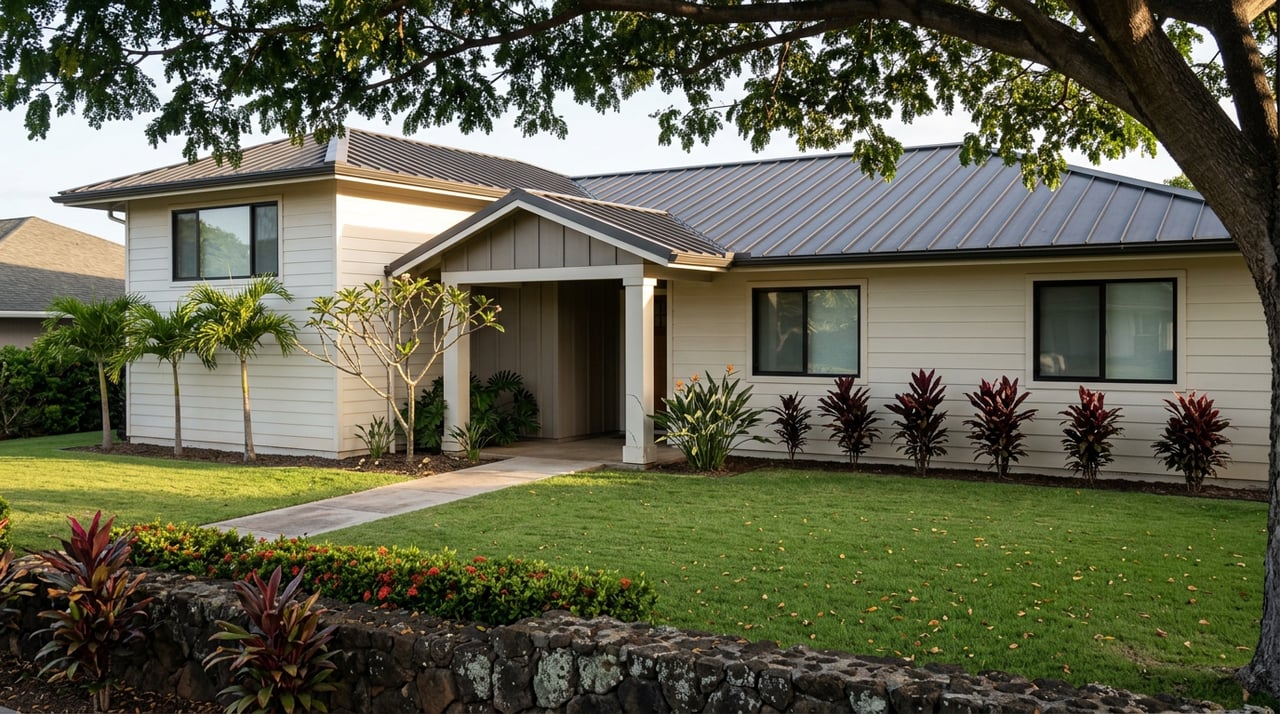
Single-family homes are the norm, from plantation-era cottages to mid-century ranches and newer custom builds. Many properties sit on modest to larger lots, and some parcels are agricultural-zoned with different rules for use. Beachfront and ocean-view homes are limited in supply and form the premium tier. Condos and townhomes are less common in Waialua proper than in nearby towns.
How prices compare
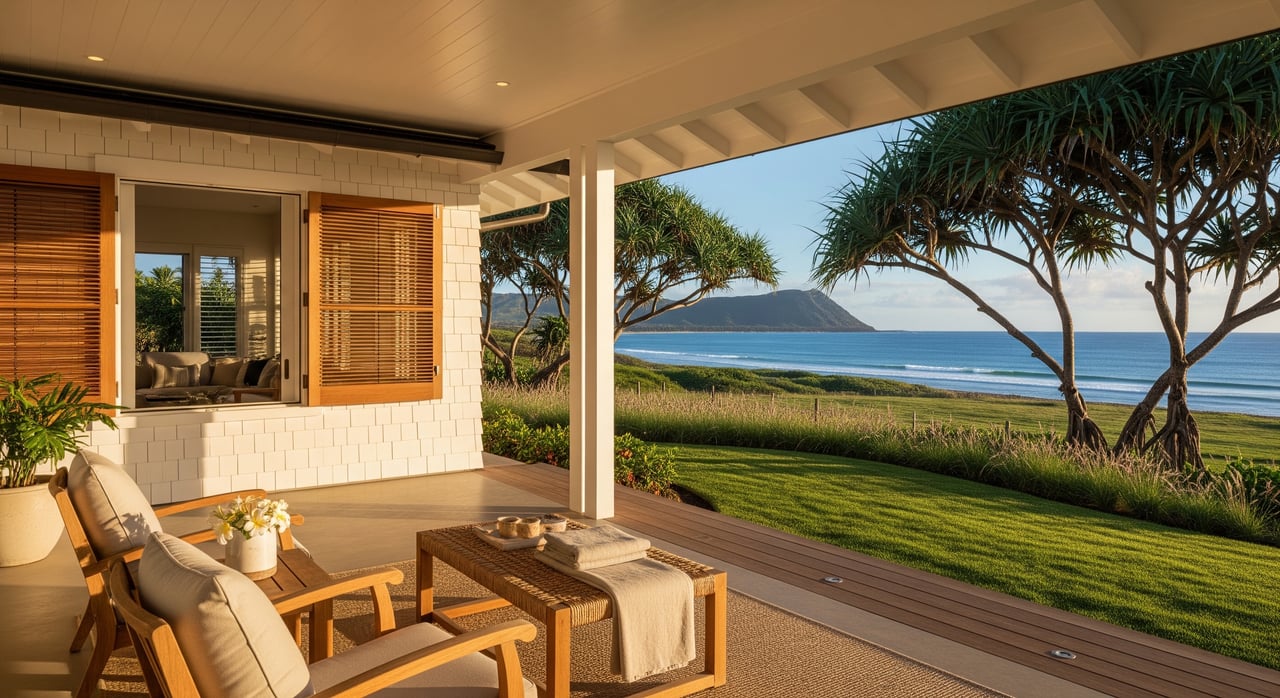
Think in tiers rather than fixed numbers, since the market changes often. Entry-level options are usually smaller or older homes, often farther from the shore, that appeal to value-focused buyers. The mid-range includes typical detached homes on standard lots for long-term residents. Premium properties include beachfront, ocean-view, and large-lot homes or turnkey farm-style estates, often priced far above inland options.
Style and lot sizes
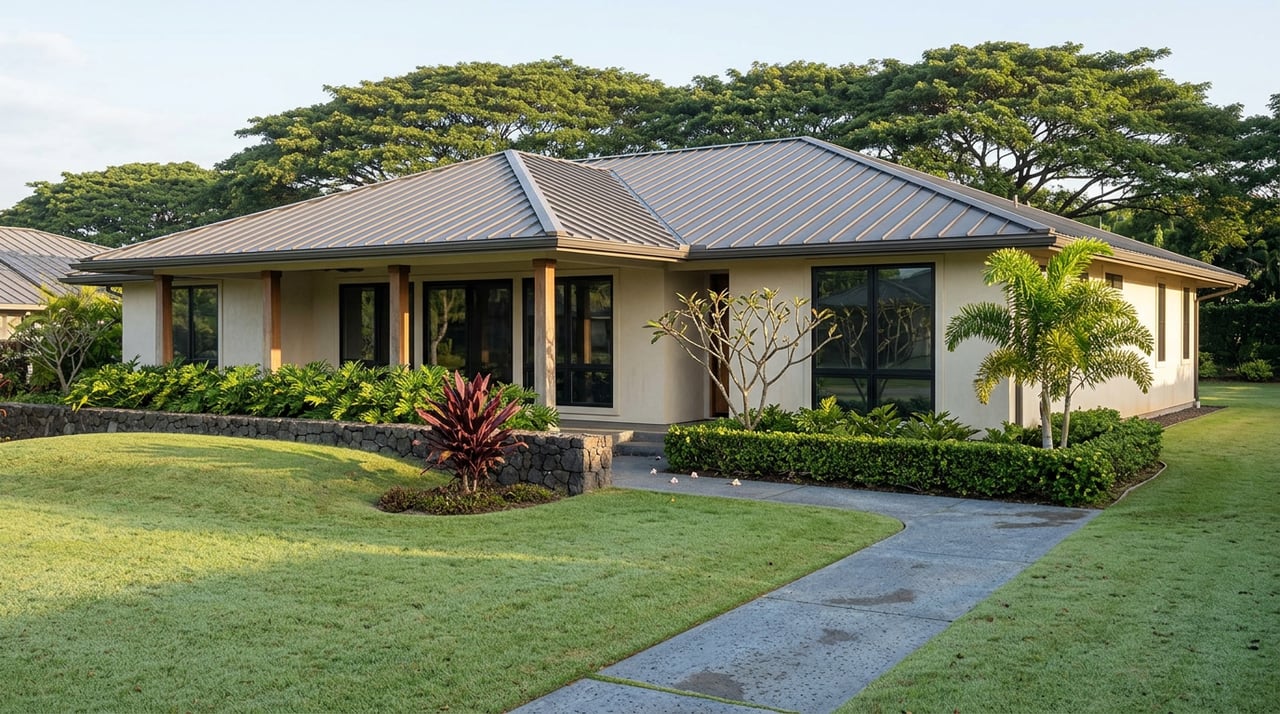
You will see classic plantation cottages with shaded lanais, single-level ranch homes, and contemporary designs that emphasize breezes and natural light. Lot sizes range widely, from small in-town parcels to multi-acre agricultural lots. If you want room for a garden, horses, or a hobby farm, agricultural or country residential zoning may offer that path, subject to county rules.
Getting around and daily services
Commute and transportation
Driving is the standard for daily life here. Commutes to central Honolulu or other business hubs can be significantly longer than in-town drives and vary with traffic and surf-season congestion. TheBus serves the area, but routes are less frequent and travel times are longer than driving. Many Waialua residents balance the commute by working from home when possible.
Schools and child services
Waialua has local public schools within the Hawaii State Department of Education system. District assignments and programs can change, so verify boundaries and performance through the DOE’s school locator and report cards. Some families commute to neighboring towns for private or specialty programs based on individual needs.
Healthcare and shopping
You will find basics in Waialua, including small groceries, eateries, and local services. For larger shopping runs, medical specialists, or full-service hospitals, plan on trips to bigger centers in central Oʻahu or Honolulu. Map out your preferred clinics and emergency care so you understand drive times.
Utilities and internet
Hawaiian Electric provides island-wide power, but always confirm service to your exact address, especially on rural parcels. Water service is generally through the Honolulu Board of Water Supply where available, while some properties use private catchment or wells. Sewer access varies by parcel; older or rural homes may rely on septic systems. Internet and cell coverage can be more limited than in urban Honolulu, so check address-level options and speeds in advance. Consider DSL, fixed wireless, or satellite if cable is not available.
Outdoor life on the North Shore
Beaches and surf access
Waialua provides quick access to North Shore beaches and renowned surf breaks. Conditions vary with seasons and local reefs, so learn the differences between protected bays and exposed surf zones before you head out. Even if you do not surf, the coastline invites daily walks, shoreline fishing, and sunset watching.
Parks, trails, and farm life
Your weekends can include swimming or snorkeling in appropriate safe conditions, hiking nearby trails, and visiting local farms or coffee roasters. If you live on a rural parcel, you may be able to maintain a garden, raise animals, or pursue small-scale agriculture based on zoning and permits. It is a lifestyle built around fresh air and time outside.
Community and events
Farmers markets, small festivals, and surf-related events shape the local calendar. The community supports a mix of agriculture and tourism that keeps small businesses humming. Being involved in local activities is an easy way to plug into Waialua’s tight-knit feel.
Risks, rules, and due diligence
Coastal and natural hazards
If you are considering oceanfront or low-lying properties, account for flooding, storm surge, erosion, and tsunami exposure. Sea level rise is a long-term factor to include in your risk review. Salt air can speed up corrosion of exterior finishes, metal fasteners, and mechanical systems, which means diligent maintenance.
Insurance and financing
Flood and wind or hurricane-related insurance costs can be higher for coastal homes. Lenders may require flood insurance depending on FEMA flood zone designations. Budget time to speak with an insurance broker and lender who understand Oʻahu’s coastal markets and how hazard zones affect policies and approvals.
Zoning and short-term rentals
Agricultural and country residential zoning is common around Waialua and affects what you can build or operate on a property. Short-term rentals are regulated by the City and County of Honolulu, and rules have evolved in recent years. If you plan to host guests or farm commercially, verify current requirements and any neighborhood limits with the county before making commitments.
Inspection and maintenance checklist
Use a thorough inspection process tailored to coastal and rural conditions:
- Roofing and structure, with attention to wind exposure and uplift
- Metal components for corrosion, including fasteners and railings
- Exterior wood for rot and termites
- Septic system condition or confirmation of sewer connection
- Water source and quality for wells or catchment systems
- Driveway and road access, including private road maintenance obligations
Permits and utility verification
Confirm water, power, sewer, and internet availability for the specific address. Ask about any planned infrastructure projects such as waterline or road work that could benefit or impact the property. Verify zoning designations and allowable uses with the Department of Planning and Permitting before you buy or build.
Is Waialua a fit for you?
Choose Waialua if you value a quiet, small-town feel close to world-class beaches and surf. You will trade shorter urban commutes and big-box convenience for fresh air, open space, and a strong community rhythm. It suits buyers who work from home, do not mind longer drives, or want room for gardens and small-scale agriculture. If you are weighing beachfront living, balance the lifestyle with hazard exposure, insurance costs, and maintenance needs.
If Waialua sounds right for you, partner with a local advisor who knows the micro-markets and the regulations that shape North Shore living. With decades of island experience and programs tailored for military relocations and kupuna, Don Dietz can help you compare neighborhoods, verify due diligence items, and plan a smooth move.
FAQs
How long is the commute from Waialua to Honolulu?
- Expect longer drive times than inner Honolulu, with travel varying widely by traffic and surf-season events; public transit is available but less frequent and slower than driving.
What types of homes are common in Waialua?
- You will mostly find single-family homes, from older plantation cottages to newer custom builds, plus limited beachfront properties and fewer condo or townhome options.
Are there public schools near Waialua?
- Yes, Waialua has local public schools within the Hawaii DOE system; verify current school boundaries and programs using the DOE’s locator and report cards.
Is beachfront living in Waialua worth the trade-offs?
- Many buyers love the views and access, but you should weigh higher costs, insurance requirements, maintenance from salt exposure, and coastal hazard risks.
Can I get fast internet service in Waialua?
- It depends on your address; some homes have cable while others use DSL, fixed wireless, or satellite, so verify options and speeds before you buy.
What should I know about short-term rentals in Waialua?
- Honolulu County regulates short-term rentals and rules have changed over time, so confirm current requirements and neighborhood restrictions with the county.