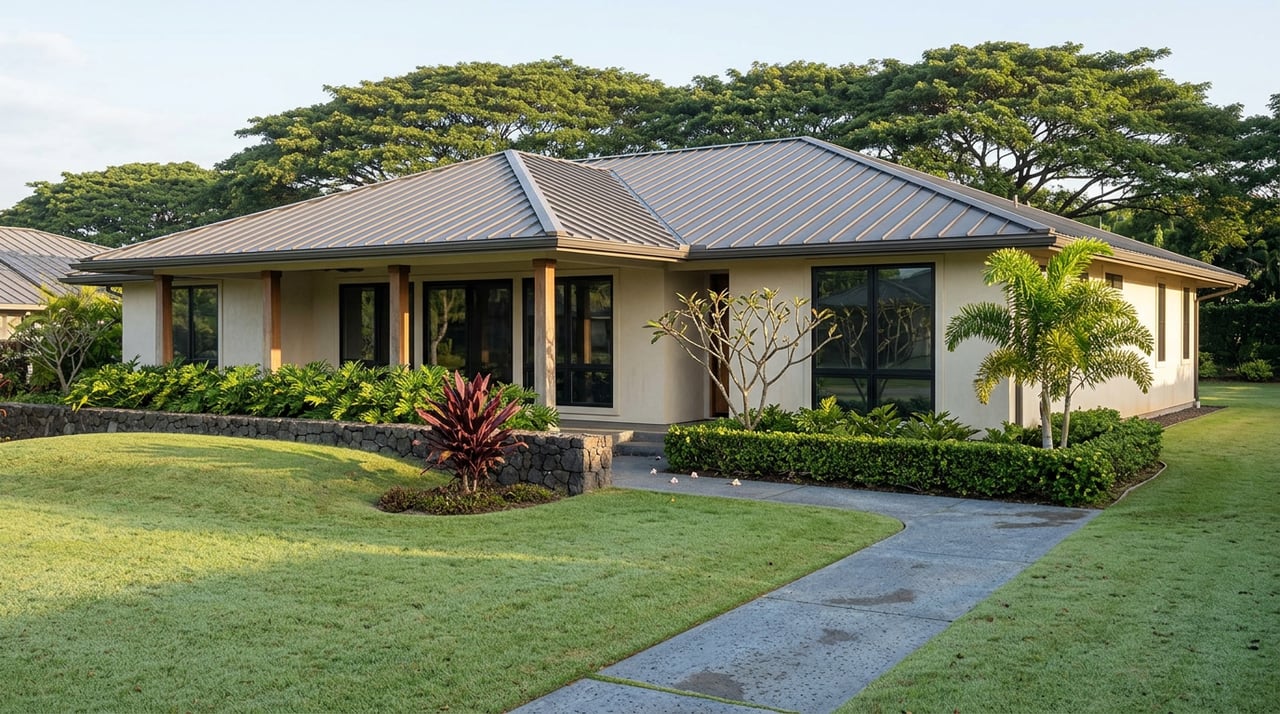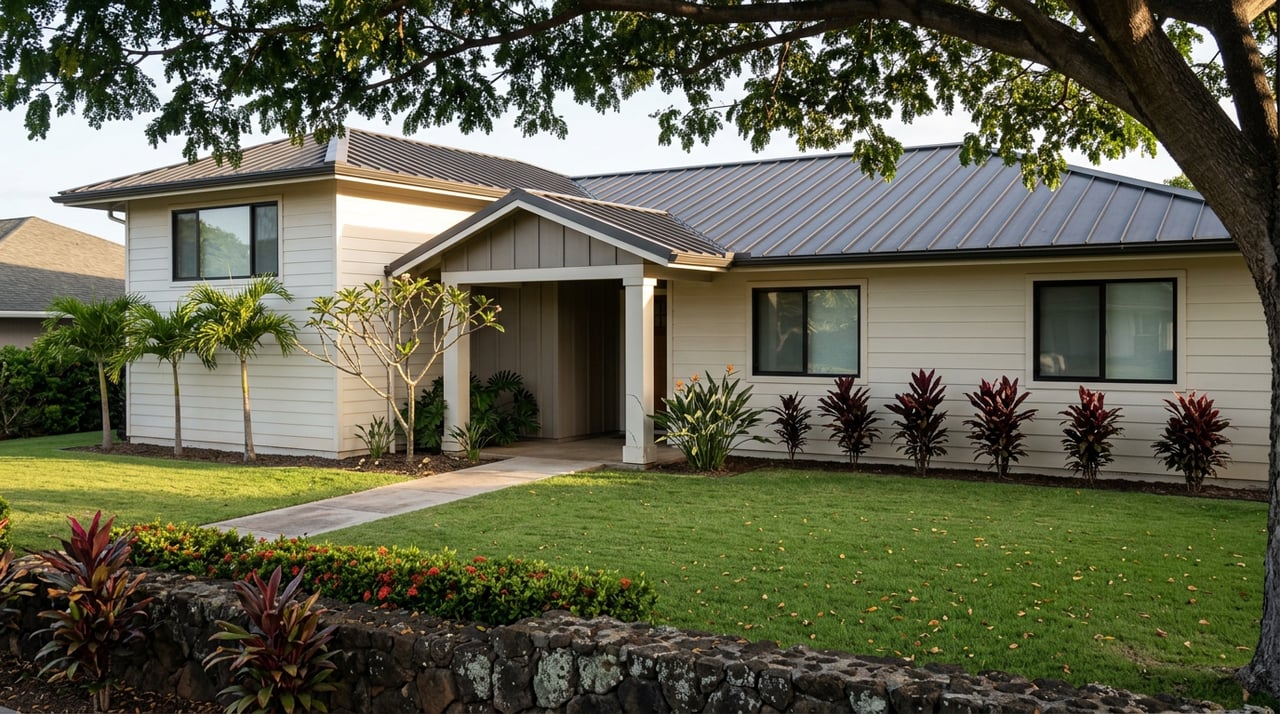
Trying to decide between a condo or a single-family house in Ewa Beach? You are not alone. The right choice depends on your budget, your time for maintenance, and how you want to live near the coast. In this guide, you will learn how to compare total monthly costs, understand Ewa Beach-specific risks like flood and salt air, and weigh lifestyle tradeoffs so you can buy with confidence. Let’s dive in.
Ewa Beach at a glance
Ewa Beach sits on Oʻahu’s leeward coast and is part of the Ewa Plain, where you will find a mix of established neighborhoods and newer master-planned communities. Many residents commute to Kapolei or central Honolulu using H-1 and local roads, and rail expansion may shape future traffic patterns. Historically, the area has been more affordable than some central Honolulu neighborhoods, which is why many first-time and move-up buyers start here. Because many neighborhoods are low-lying and near the ocean, flood exposure, storm surge, and salt-air wear are important to factor into both cost and upkeep.
Cost comparison method: condo vs house
When you compare options, look beyond list price. Focus on your total monthly carrying cost. This helps you see the real difference between a condo with HOA dues and a house with higher maintenance but no association fee.
What to include in your monthly number
- Mortgage payment: Principal and interest based on price, down payment, interest rate, and term.
- Property taxes: Use the City and County of Honolulu assessed value and rate for the property’s classification.
- Insurance: For a house, budget a homeowners policy that covers the structure. For a condo, carry an HO-6 interior policy and know what the association’s master policy covers and its deductibles. If the property is in a FEMA flood zone, add flood insurance.
- HOA or condo fees: Condos and many townhomes charge monthly dues. Some planned communities for single-family homes may also have private association fees.
- Utilities: Electricity, water, sewer, trash, and internet. Coastal humidity and AC use can raise electricity costs.
- Maintenance reserve: For houses, a common rule of thumb is 1 to 3 percent of home value per year. For condos, budget about 0.5 to 1 percent for interior upkeep, plus HOA dues.
- Special assessments: Condos can levy assessments for large repairs if reserves are low. Review the reserve study and association history.
Quick ranges in the Ewa Plain
- HOA or condo fees: Often a few hundred to several hundred dollars per month, depending on size, amenities, and reserves. Larger amenity projects can be higher.
- Maintenance: Houses typically require more hands-on work and bigger-ticket items like roofs and exterior paint. Condos shift much of this to the association but add the risk of special assessments.
- Utilities: Expect higher AC use during warmer months, especially in coastal, humid areas.
One-time costs you will pay
- Down payment: FHA often starts at 3.5 percent down. Conventional options can be 3 to 20 percent or more. Qualified veterans may access VA loans with 0 percent down, subject to lender rules.
- Closing costs: Lender fees, title and escrow, state conveyance tax, recording fees, prepaid taxes and insurance, and for condos, HOA transfer fees and condo document costs.
- Inspections and reports: General home inspection, termite and wood-destroying organism inspection, and often roof or other specialty checks. Condo buyers should plan to review HOA financials and rules carefully.
Lifestyle tradeoffs that matter in Ewa Beach
Space and privacy
- Houses: More interior space, yard, and storage. Good if you want room for pets, gardening, or outdoor projects.
- Condos and townhomes: More compact living with a lanai or small yard, and shared common spaces.
Maintenance and time
- Condos: The association handles exterior upkeep, landscaping, and common repairs. You get a lower day-to-day maintenance load but less control over timing and standards.
- Houses: You handle all maintenance and vendor management. Plan for more time and a larger annual reserve.
Amenities and community
- Condos: Pools, fitness rooms, recreation spaces, and security can add value and convenience.
- Houses: You trade amenities for private space and flexibility. Neighborhood culture varies by community rules.
Parking and storage
- Condos: Assigned stalls are common, with limited guest parking. Large vehicle storage can be challenging.
- Houses: Driveways and garages often allow more parking and storage.
Noise and pets
- Condos: Shared walls can increase noise transfer. HOAs often have clear pet rules for size, number, and breed.
- Houses: More flexibility for pets, but check any community covenants, conditions, and restrictions.
Coastal exposure tradeoffs
Living near the water brings daily outdoor benefits and a relaxed vibe. It also brings salt spray and humidity that can speed up exterior wear on paint, metals, and mechanical systems. Budget for more frequent exterior maintenance and timely replacements.
Financing and rules: what can limit your choice
Condo project approval for FHA and VA
Some loan programs require the condo project to be approved. Not every association is on the FHA, VA, or agency lists. If you plan to use these loans, verify project status early. Single-family homes do not require project approval, which can make financing more straightforward.
Short-term rental rules and HOA limits
Honolulu’s rules for short-term rentals are restrictive, and many associations prohibit them. Even if a city permit is possible, HOA bylaws and house rules can be stricter and often bar short-term rentals. Long-term rentals are more common but can have minimum lease terms or owner-occupancy requirements.
Insurance and flood zones
Standard homeowners or HO-6 policies do not cover flood. Many Ewa Beach parcels are low-lying, so check the property’s flood map and factor in possible flood insurance. Ask for the master policy declarations for condos, including wind and hurricane deductibles and how deductibles are allocated among owners.
Documents to request before you compare
For condos and townhomes
- Current budget and financials, reserve study, and funding levels.
- Meeting minutes for the last 12 to 24 months.
- CC&Rs, bylaws, house rules, pet rules, parking and rental policies.
- Master insurance declarations and deductibles.
- Any pending or recent special assessments and litigation.
- Owner-occupancy levels and loan approval information.
For single-family homes
- General inspection and termite/WDO report.
- Roof age and system ages for HVAC, plumbing, and electrical.
- Permits for past remodels and available survey.
- Flood map for the parcel and any private CC&Rs.
For both property types
- Seller’s property disclosures, recent utility bills, and current tax bill.
- Deed or parcel ID for verification.
Buyer checklist for Ewa Beach
- Verify flood risk and get a flood insurance quote if applicable.
- Ask about termite treatment history or warranties.
- Review exterior maintenance history, especially paint and metal components.
- Confirm HOA fee inclusions, reserve strength, and planned projects.
- If using FHA or VA, check condo project approval early.
- Request recent electricity bills to gauge AC use.
Decision guide: Which fits your priorities
- Choose a condo or townhome if you want lower hands-on maintenance, shared amenities, and predictable exterior upkeep, and you are comfortable with HOA rules and dues.
- Choose a single-family home if you want a private yard, more space, flexibility for pets and projects, and you are ready to manage maintenance and higher long-term upkeep.
- If financing is key and you plan FHA or VA, a house can reduce approval hurdles, while a condo may require extra verification.
- Always compare the total monthly cost, not just the list price.
Build your own side-by-side worksheet
Collect these inputs for each property you like:
- Purchase price, down payment percent, interest rate, and loan term.
- Annual property tax and insurance premiums.
- Monthly HOA dues, if any.
- Estimated monthly utilities.
- Maintenance reserve percent per year.
Then estimate your monthly total:
- Mortgage payment = use a calculator with your loan inputs.
- Property tax monthly = annual tax divided by 12.
- Insurance monthly = annual premium divided by 12.
- HOA monthly = dues listed by the property.
- Maintenance reserve monthly = value times your chosen percent, divided by 12.
- Utilities monthly = your estimate based on usage and recent bills.
- Sum all line items to get your estimated monthly carrying cost.
Ready to compare real homes in Ewa Beach with a clear plan? Schedule a friendly, no-pressure consultation with Don Dietz to walk through options that match your budget and lifestyle.
FAQs
What are typical HOA fees for Ewa Beach condos?
- Many condos and townhomes on the Ewa Plain have dues ranging from a few hundred to several hundred dollars per month, with amenity-rich projects often higher.
Do I need flood insurance to buy in Ewa Beach?
- It depends on the parcel; many neighborhoods are low-lying near the coast, so check the flood map for the property and add flood insurance if the lender or location requires it.
Can I use a VA or FHA loan on an Ewa Beach condo?
- Yes if the condo project is approved for that loan type; verify project approval with your lender early, since not all associations qualify.
Are short-term rentals allowed in Ewa Beach homes or condos?
- Honolulu’s rules are restrictive and many HOAs prohibit short-term rentals; always confirm city regulations and the association’s CC&Rs and house rules before you buy.
How does salt air affect maintenance on Ewa Beach homes?
- Salt air and humidity can speed up paint wear, metal corrosion, and equipment aging, so plan for more frequent exterior maintenance and timely system replacements.
What inspections should I order before buying?
- Get a general home inspection and a termite/WDO inspection; for condos, review HOA financials, reserve study, and the master insurance policy in addition to your unit-level checks.